 Movement
Plantar fasciitis and heel pain in midlife: causes, exercises and treatment
First-step heel pain is often plantar fasciopathy, not proof of a hormone problem. Learn how load, footwear, calf strength and health conditions shape recovery.
Tap a card to reveal the answer. Start here, then read deeper whenever you are ready.
Recognise the first-step pattern
Plantar fasciopathy causes pain under the heel or along the arch. It is often sharpest with the first steps after sleep or sitting, eases after several minutes, then returns after prolonged standing, walking or running. The tissue is overloaded and degenerative changes may be more important than inflammation, which is why the newer term plantar fasciopathy can be more accurate [1,2].
Midlife women commonly ask whether menopause caused it. Research has not established a simple direct hormone cause. Changes in activity, body weight, calf flexibility, foot mechanics, hard floors and sudden increases in walking or exercise are more actionable. Diabetes, inflammatory arthritis, nerve problems and bone stress injury can produce different heel pain and need a different plan [1,3].
Reduce irritation without becoming inactive
Complete rest often weakens the foot without solving load tolerance. Temporarily reduce the activity that clearly spikes pain, then replace it with a lower-impact option such as cycling or swimming. Supportive shoes with a cushioned heel can help. Avoid sudden long barefoot periods on marble or tile, worn-out trainers and a rapid switch to minimalist footwear [1,4].
Ice wrapped in cloth may reduce short-term pain. Anti-inflammatory gels or tablets are not suitable for everyone, particularly with kidney disease, ulcers, blood thinners or uncontrolled blood pressure. Ask a pharmacist or clinician rather than assuming an over-the-counter medicine is harmless [1].
Stretch and strengthen the whole chain
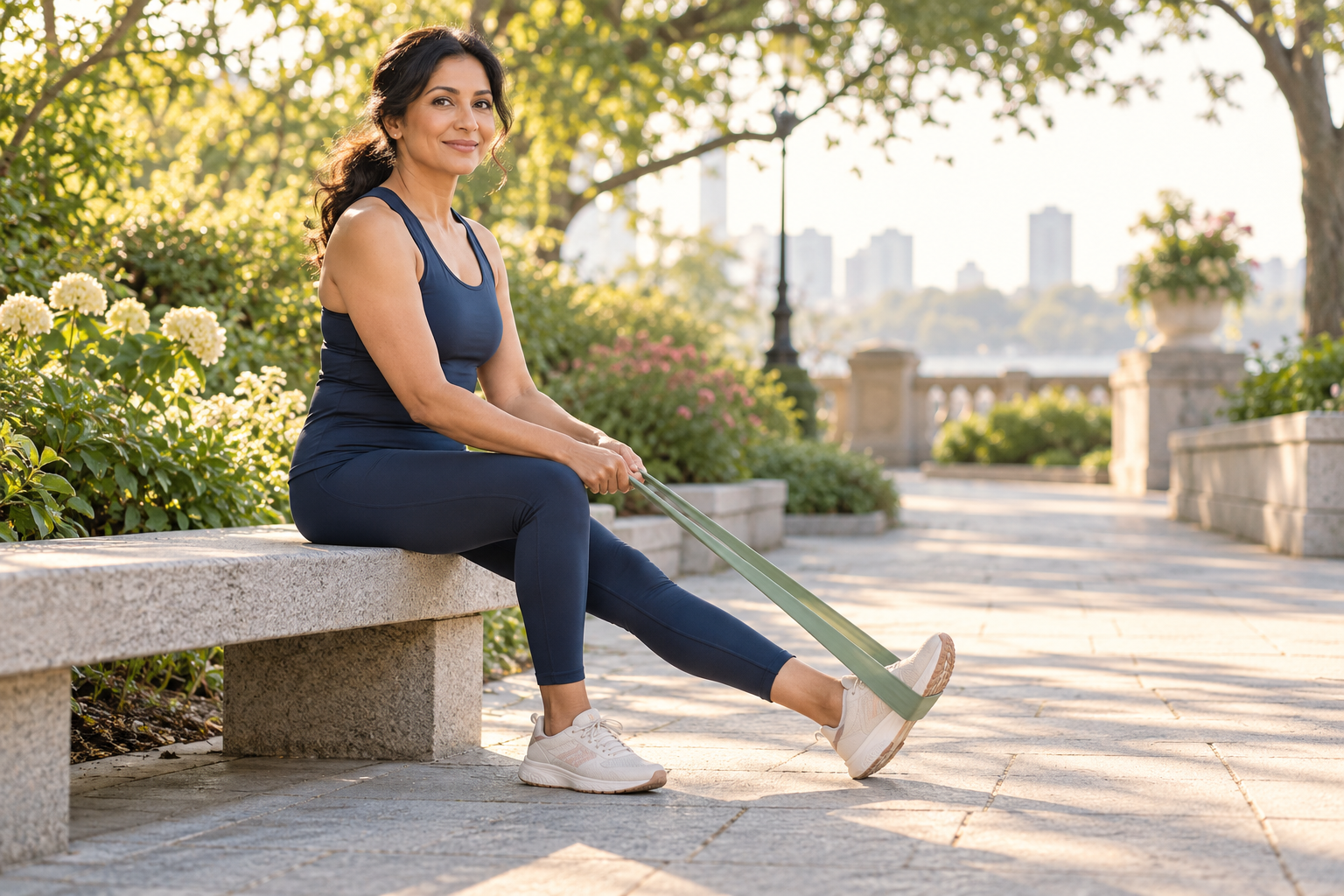
Calf and plantar-fascia stretching can reduce symptoms. A simple fascia stretch pulls the toes gently back while massaging the arch, especially before the first steps. Calf stretches with a straight and bent knee address different muscles. The movement should feel like a controlled stretch, not a sharp tear [2,4].
Strength matters as pain settles. Slow calf raises, short-foot exercises, toe control, balance work and hip strength help the leg accept load. Start at a level that does not cause a large next-day flare and progress repetitions, range or weight gradually. A physiotherapist can adapt exercises for knee pain, osteoporosis or balance problems [2,5].
What scans and procedures can and cannot do
Typical plantar fasciopathy is usually diagnosed from the history and examination. An X-ray may show a heel spur, but spurs are common in people without pain and do not automatically need removal. Imaging is more useful when the story is unusual, there was trauma, pain is severe at rest or a stress fracture, nerve problem or inflammatory disease is suspected [3,5].
Persistent symptoms may lead to podiatry or physiotherapy, taping, orthoses, night splints or shock-wave therapy. Steroid injection can reduce pain for some people but has risks including fascia rupture and fat-pad damage, so it is not a casual first step. Surgery is rarely needed. Most recovery plans are measured in months, not days [1,2].
Red flags and a sensible return
Seek prompt care after a pop or injury if you cannot bear weight, or for marked swelling, redness, fever, numbness, an open wound or night pain that keeps worsening. People with diabetes or reduced foot sensation should have new foot pain assessed early. Calf swelling with sudden breathlessness is an emergency because it may indicate a blood clot [1,6].
Return to longer walks or running by increasing one variable at a time. Track first-step pain and the following morning, not only how you feel while warmed up. The goal is a foot that tolerates ordinary life and enjoyable movement, not a perfect scan or permanent avoidance.
Frequently asked questions
Is plantar fasciitis caused by menopause?
A direct causal link is unproven. Load, footwear, calf flexibility, weight and medical conditions are more established factors.
Should I stop walking?
Usually no. Reduce the dose that triggers a flare and rebuild gradually with suitable footwear and exercises.
Do heel spurs cause the pain?
Not necessarily. Many people have heel spurs without pain.
How long does recovery take?
Improvement often takes weeks to months. Consistent load management and strengthening matter more than a quick fix.
When should I see a clinician?
Seek review for severe, worsening or recurrent pain, numbness, injury, diabetes, or no improvement after a reasonable self-care trial.
Sources behind this guide
- NHS: Plantar fasciitis ↗
- Royal Orthopaedic Hospital: Plantar fasciitis ↗
- AAOS: Stress fractures of the foot and ankle ↗
- Cambridge University Hospitals: Plantar fasciitis ↗
- JOSPT clinical practice guideline: Heel pain ↗
- NHS: Heel pain ↗
Editorial foundation: Stri.life research guides, Menopause in India Overview and Comprehensive Guide to Perimenopause, reviewed August 2026.
Conversation 0